Per la Promozione della Salute nelle Scuole attraverso lo Sport
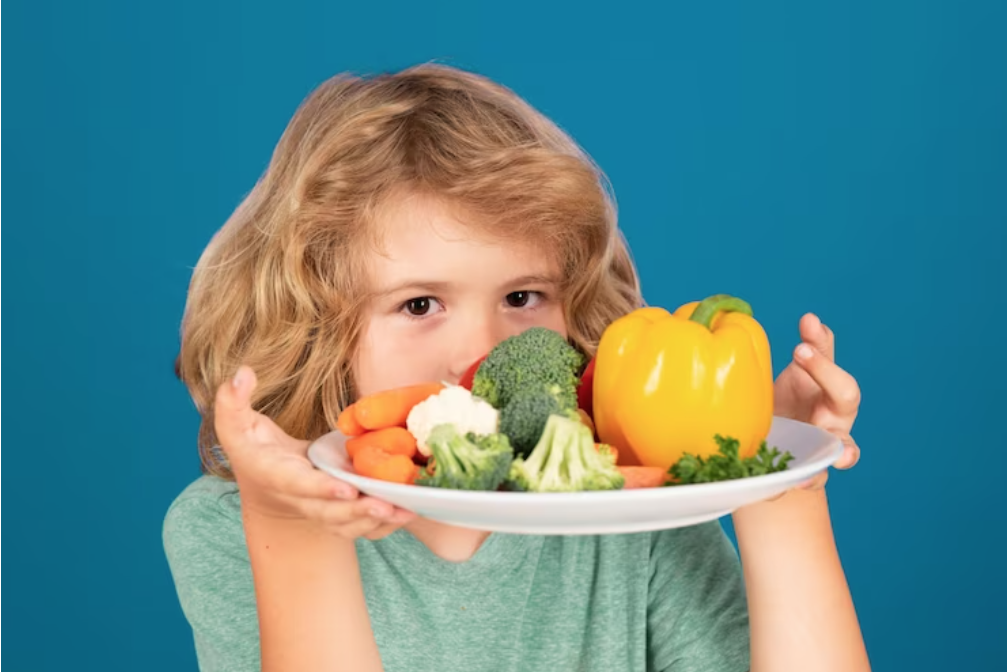
Oltre 15mila bambini partecipano al progetto di educazione alimentare promosso nell’ambito del “Movimento in 3S – Promozione della salute attraverso lo Sport” del CONI Comitato Regionale FVG, realizzato dalla Fondazione Italiana Fegato Onlus insieme all’IRCCS Burlo Garofalo di Trieste, con il sostegno dell’Assessorato all’Istruzione della Regione Friuli Venezia Giulia.
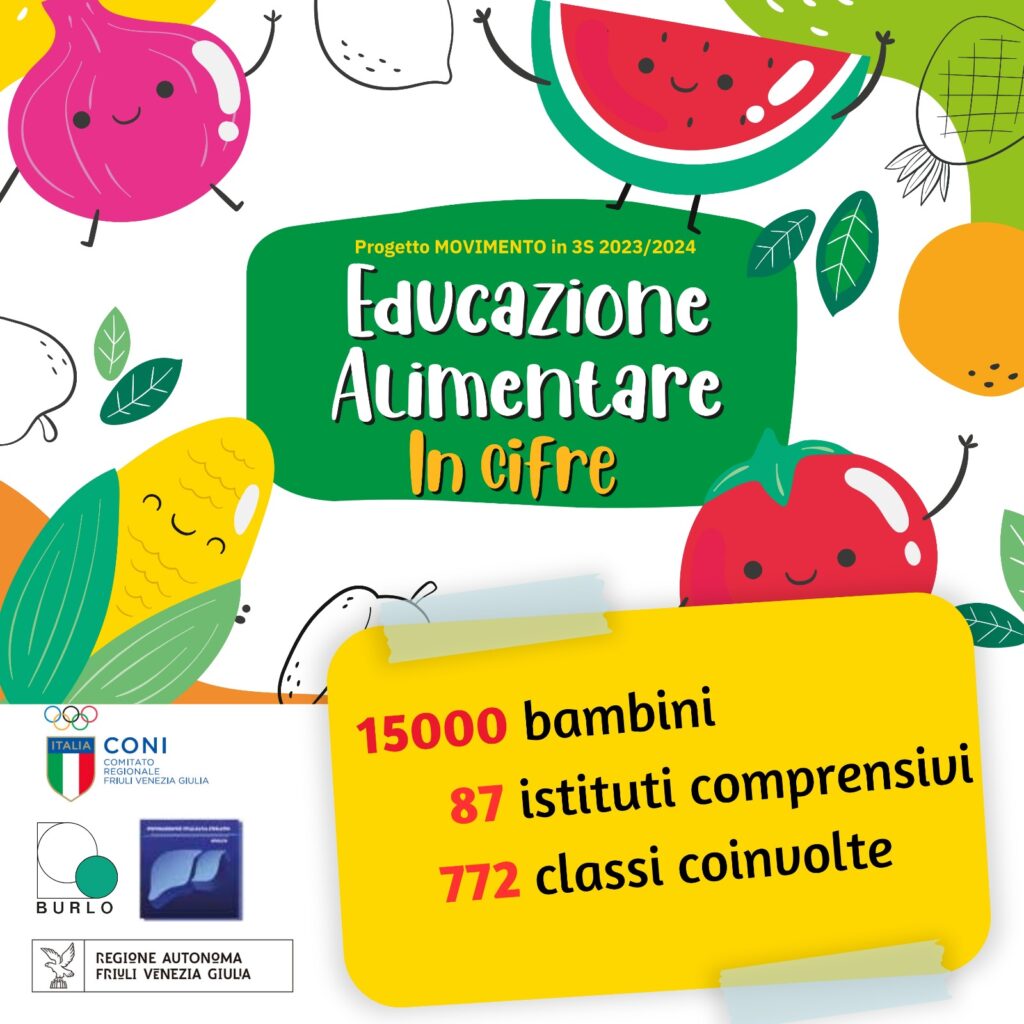
“Sono 87 gli istituti comprensivi che partecipano al progetto AS 2023-2024” – afferma la project manager del progetto Movimento in 3S, Rita Malavolta, ringraziando i docenti delle scuole coinvolte grazie ai quali è possibile svolgere attivamente il progetto all’interno delle classi – “di cui 8 a Gorizia, 26 a Pordenone, 40 a Udine, 16 a Trieste, per un totale di 772 classi coinvolte”.
Il progetto di educazione alimentare, coordinato dal Direttore scientifico della Fondazione Italiana Fegato, Claudio Tiribelli e realizzato dalla senior scientist Natalia Rosso, con la collaborazione delle nutrizioniste del Burlo Garofolo Grazia Di Leo and Chiara Zanchi, si sviluppa con del materiale didattico inviato alle scuole, composto da giochi e relative istruzioni. Le attività sono state progettate per essere svolte in piccoli gruppi di bambini, ciascuno dotato di un kit.
“Il nostro approccio ludico-didattico” – spiega Natalia Rosso – “mira a fornire ai bambini le competenze necessarie per prendere decisioni informate e salutari, creando così una base solida per il loro futuro. Suggeriamo un approccio costruttivo, soprattutto all’inizio, riflettendo sull’importanza degli alimenti sani. Vorremmo sottolineare che una dieta equilibrata non riguarda solo il controllo del peso, ma anche il mantenimento di un corpo sano e immune da malattie”.
L’obesità, anche nei bambini, non è semplicemente il risultato di una mancanza di volontà; piuttosto, è causata da vari fattori (psicologici, metabolici, ecc.) che convergono in questo “fenotipo”. “Stigmatizzare l’obesità” – conclude Natalia Rosso – “non contribuisce al cambiamento e può addirittura peggiorare la situazione: pertanto, le nostre attività mirano a evidenziare l’impatto dell’alimentazione sulla salute, andando oltre il tema del solo peso corporeo”.
Per garantire la continuità del progetto, è fondamentale comprendere l’efficacia delle attività proposte e quindi sono stati preparati due questionari di valutazione, disponibili online, da compilare prima dell’inizio delle attività (o, se già avviate, dopo le prime esperienze) e alla fine dell’anno scolastico.